
Recent News
The SBS News Center provides verified updates, research summaries, policy developments, and analysis on issues affecting families after a CSAM accusation or conviction. This page is the primary hub for all articles published by Support Beyond Stigma, ensuring search engines can index each news item and recognize this section as the authoritative source for ongoing updates.

Selective Severity: Inequity and Disproportionate Punishment in Wisconsin
Wisconsin’s mandatory minimum sentencing laws, like those in many states, are rigid in situations that require individualized judgment. Judges are elected to weigh evidence, culpability, risk, rehabilitation, and mitigation, yet mandatory minimums often prevent sentences that reflect the specific facts of a case. That rigidity becomes more concerning when prosecutorial discretion is applied unevenly, as seen in Ozaukee County, Wisconsin under District Attorney Ben Lindsey, with young defendants receiving the harshest outcomes for non‑contact digital conduct while adult authority figures accused of hands‑on behavior receive more flexible charging decisions.
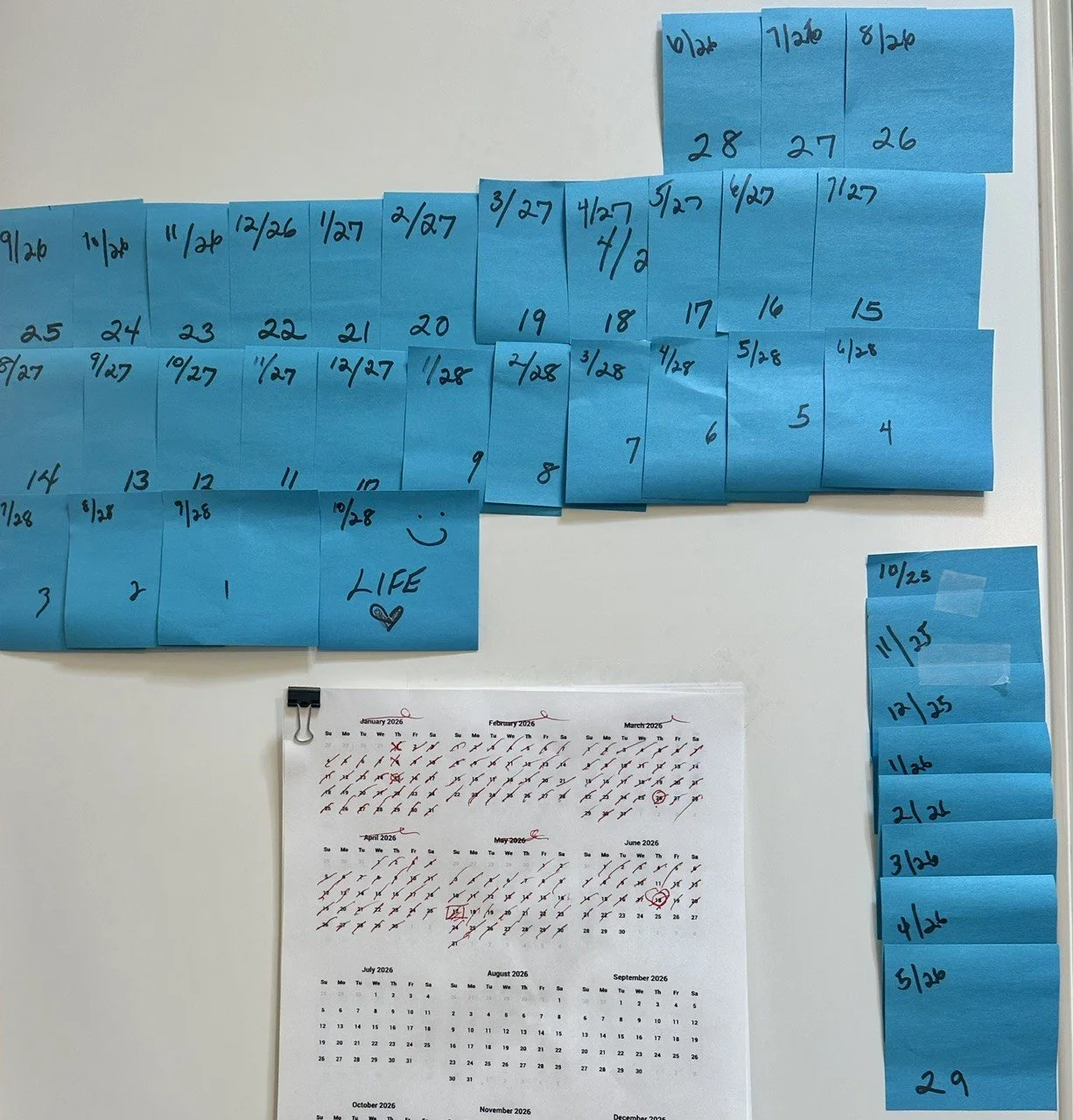
The Power of Perseverance - Advocating for an Imprisoned Loved One
We wrote letters to legislators, to the head of the Department of Corrections, and to the Governor, raising concerns about what we believed were serious Eighth Amendment violations. Repeatedly, it felt as though nothing was changing. It felt as though hope was running out.
Then something shifted in me. I began to realize that the Department of Corrections was not simply a labyrinth of uncaring people, but an overburdened system filled with human beings trying to manage impossible pressures. If I wanted someone to truly hear us, I could not rely only on legal arguments, even valid ones. I needed to reach the compassion of another person. I needed to speak not only as someone making a case, but also as someone asking to be seen.