
When Time Stretches Thin: The Emotional Weight of Loving Someone Behind Bars
The experience of loving someone who is incarcerated reshapes time itself. Days feel endless, heavy, and uncooperative. A single afternoon can drag like a season, and the calendar becomes both a lifeline and a torment. With each square marked with hope, each page turned with dread. Even when you know the release date, even when you can count the months on your fingers, the absence from daily life creates a kind of emotional grief that is hard to explain to anyone who hasn’t lived it.
This distortion sharpens around holidays, birthdays, graduations, and family milestones. These moments, which once carried uncomplicated joy, become reminders of the empty chair at the table, the missing voice in the room, the photograph taken without them. Loved ones often describe these days as “impact days” - times when the ache is not just present but amplified. The world continues to celebrate, but your heart is somewhere else entirely.
People cope with this suspended reality in different ways. Some throw themselves into projects or hobbies, not because they suddenly discovered a passion for knitting or gardening, but because distraction becomes a survival tool.
Others channel their energy into advocacy, finding purpose in fighting for fairness, reform, or simply better conditions for the person they love. Many people step into new roles within the family, becoming the organizer, the communicator, the emotional anchor. And then there are those who feel stuck, unable to find anything that quiets the constant hum of worry and longing.
Rumination is common. You may find yourself replaying conversations, imagining future reunions, or wondering how incarceration will shape the person you love. Will they come home hardened or hopeful? Will they be able to rebuild? Will the world welcome them back? These questions can loop endlessly, especially at night, when the distractions fade and the mind reaches for what it misses most.
Coping, in this context, isn’t about moving on. It’s about finding ways to live inside the waiting. One of the most grounding approaches is to create small rituals that maintain connection. Writing letters, or messaging on prison tablets, whether weekly or whenever the emotions swell can become a stabilizing practice. The act of putting thoughts on paper offers a sense of presence, a way to bridge the distance. Some people keep a journal addressed to their loved one, documenting daily life so that when reunification comes, the missing years feel less like blank space.
Another approach is to honor the days your loved one is missing. Some families buy gifts for holidays or birthdays, wrap them, photograph them, and send the images inside letters. It’s not about the object itself; it’s about acknowledging that the day mattered, that the person mattered, that their absence did not erase their place in the family’s story. And, your incarcerated loved one will have those gifts to look forward to when they return home.
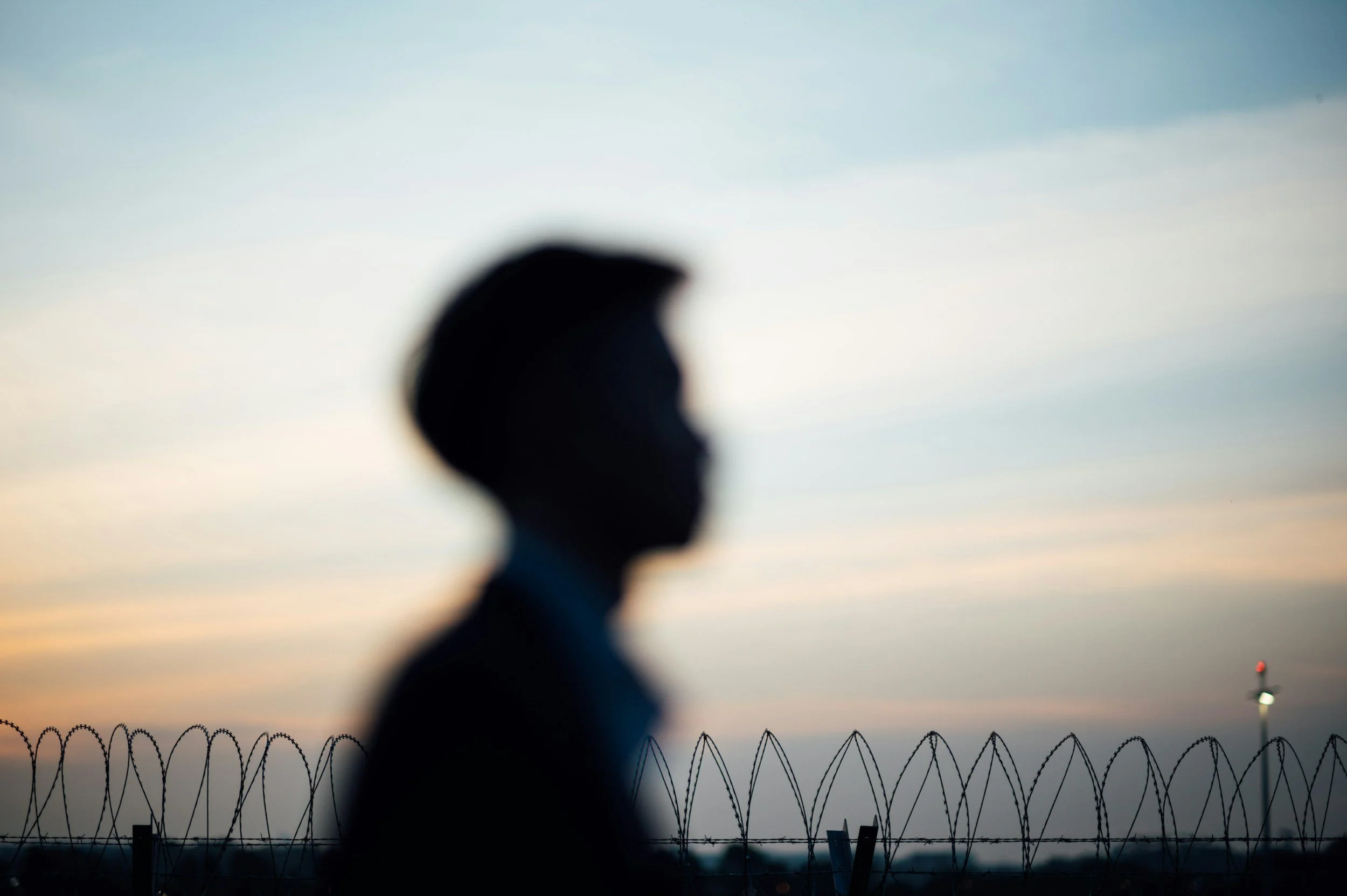
Connection can also be built through shared learning. Reading the same book, watching the same documentary before a call, or working on a long-term creative project together can create continuity. These shared experiences help counter the feeling that life is happening in two separate worlds.
Equally important is tending to your own emotional landscape. The stress of loving someone in prison is chronic, and chronic stress has a way of settling into the body. Establishing predictable routines including sleep, meals, and movement, which can help restore a sense of control. Seeking out one or two trusted people who understand your situation, or who are willing to learn, can reduce the isolation that often accompanies incarceration. And for many, speaking with a therapist provides a private space to process the grief, fear, and exhaustion that accumulate over time.
None of these practices erase the pain. They simply make the waiting more livable. They help you stay connected without losing yourself. They remind you that while incarceration changes the shape of a relationship, it does not eliminate the bond.
For loved ones on the outside, the journey is long and uneven. But within that journey, there are ways to hold onto hope, to identity, to connection, to the belief that the story is still unfolding, and that both of you can meet the future with strength you built during the hardest chapters.