
Coping with Shame, Stigma and Isolation
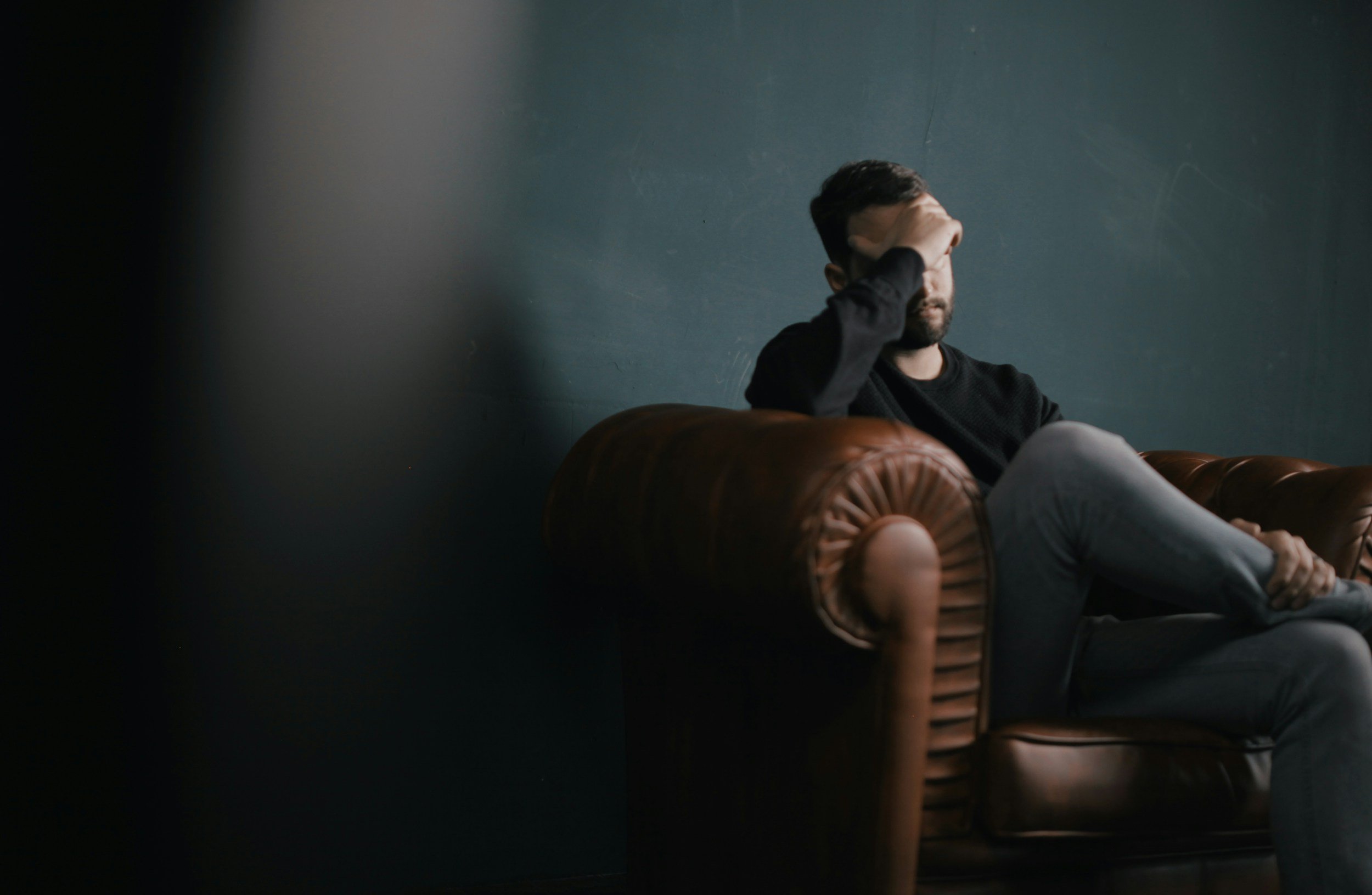

This is a profoundly debilitating experience, and support is vital. When my loved one was accused of possessing CSAM, I endured more than a year of pain before discovering a community of people who understood what I was going through. I’m now on year-four, it is a slow race to find normalcy. You don’t have to wait that long—help is available.
If someone you care deeply about is accused of possessing child sexual abuse material (CSAM), it’s natural to experience overwhelming feelings of shame, fear, and isolation. Please remember, you are not alone in these emotions. Reaching out to support groups—whether online or in person—can help you connect with others who understand your pain and provide comfort during this difficult time.
If you or your children are struggling with panic attacks, severe depression, suicidal thoughts, or signs of trauma, please seek immediate professional care. Therapy isn’t just for the person accused - it can benefit everyone affected. Therapists are equipped to help you and your loved ones process stigma, depression, anxiety and more - in helping all those impacted deal with the situation.
The shock of a CSAM accusation can ripple through families, causing secondary trauma, stigma, and disruptions to daily life, relationships, work, and parenting. It’s common to feel shame, anger, confusion, grief, fear, and the urge to withdraw socially—these are understandable responses to a traumatic, stigmatizing event. You are not alone in these feelings, and there is support available.
Try to gently remind yourself that your identity is separate from the accusation. You are still a parent, partner, sibling, or friend—and you are not responsible for the alleged crime. It’s okay to experience complicated emotions. Simple affirmations like “I didn’t cause this” or “I deserve help” can offer grounding when shame feels overwhelming. You deserve compassion and understanding as you navigate the legal and social challenges that come with a CSAM allegation.
Maintaining basic routines can help bring stability during times of stress. Prioritize restful sleep (this is probably one of the most difficult to overcome), nourishing meals, gentle movement, journaling, and mindfulness practices. These aren’t luxuries, they are essential tools for calming anxiety and supporting wise decisions when life feels overwhelming.
Connecting with others can ease feelings of isolation. Though the topic is sensitive and may feel lonely, remember that support exists for you. Seek out local therapists who specialize in working with families and loved ones of the accused; many offer group therapy and safe spaces to share your feelings.
Knowledge empowers. Visit organizations such as NARSOL to learn about laws and find advocacy support. If in-person groups are out of reach, consider joining SBS’s Community Forum, created for people who have gone through similar experiences and are seeking understanding and connection.
You don’t have to face this alone. Support Beyond Stigma was created to offer resources, understanding, and hope to the loved ones of those accused.