
Recent News
The SBS News Center provides verified updates, research summaries, policy developments, and analysis on issues affecting families after a CSAM accusation or conviction. This page is the primary hub for all articles published by Support Beyond Stigma, ensuring search engines can index each news item and recognize this section as the authoritative source for ongoing updates.

Stop Registering Kids and Young Adults: The Truth Lawmakers Must Confront
Across the country, youth and young adults are being swept into sex offender registries that were never designed for them, saddling adolescents with lifelong penalties for behaviors often rooted in immaturity rather than predation. Despite overwhelming research showing that young people rarely reoffend and respond exceptionally well to treatment, the majority of states in the US continue to impose registration requirements that block access to housing, education, employment, and community life. These laws disproportionately harm vulnerable groups — including Black, Brown, Indigenous, LGBTQ+ youth and those with disabilities. As public awareness grows, so does the recognition that these punitive policies are ineffective, unjust, and urgently in need of reform.

No License to Intimidate: How the Law Protects Registered Sex Offenders from Harassment
While sex offender registry entries are publicly accessible, people listed on them still have the same legal protection as anyone else against targeted harassment, vigilante acts, and violence. Using registry information to threaten, stalk, harass, or physically attack someone is unlawful under US federal and state law.
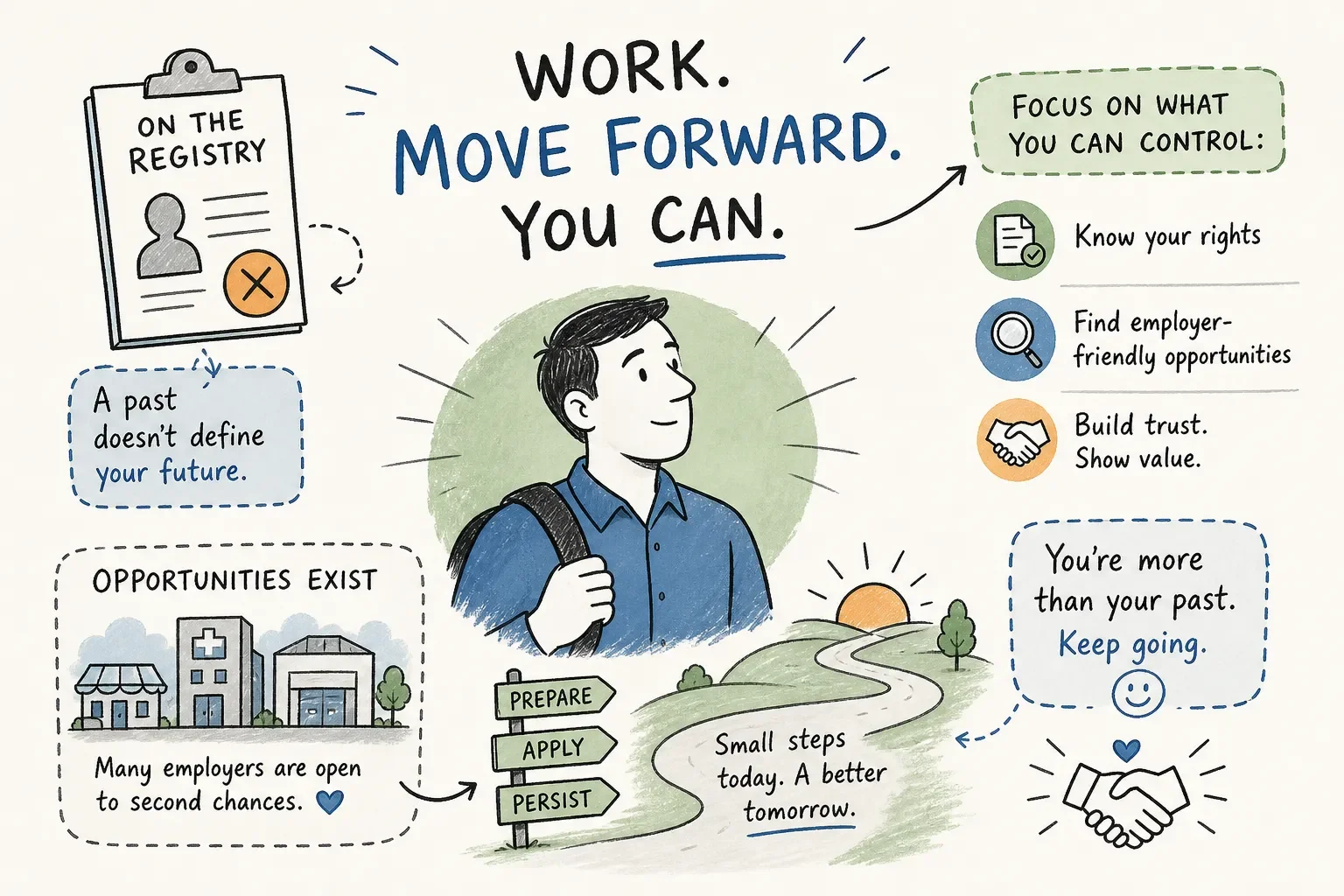
Employment and the Sex Offender Registry: What’s Allowed, What’s Restricted, and What’s Possible
Learn more about which industries have clear legal barriers, how background check vendors work, which roles have a realistic track record of hiring registrants, and how to handle the disclosure conversation without derailing an otherwise strong candidacy.
Florida Action Committee Files Federal Lawsuit Challenging Florida’s Sex-Offender Registration Laws
The Florida Action Committee (FAC), a statewide nonprofit organization advocating for evidence-based criminal justice policies, recently filed a federal lawsuit challenging Florida’s sex offender registration and restriction scheme as unconstitutional.
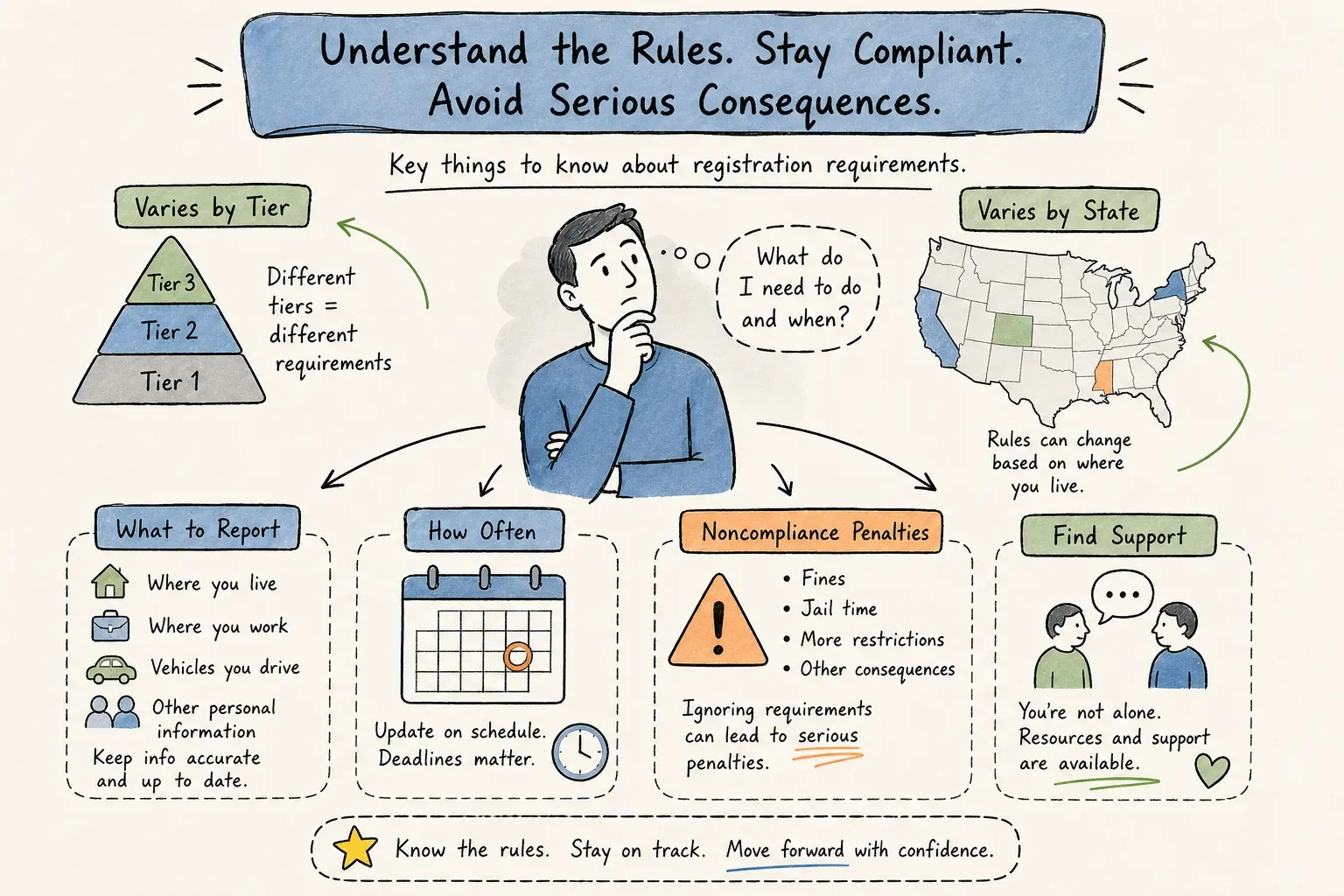
SORNA Isn’t the Whole Story: Why Federal vs. State Rules Leave Families Confused
Families face a maze of conflicting federal and state sex‑offender registration rules, and this article breaks down the core differences in clear, accessible language. It explains how SORNA’s federal tiers often fail to match state‑level requirements, why this mismatch creates confusion for loved ones, and what families must understand to navigate registration safely and confidently.

Selective Severity: Inequity and Disproportionate Punishment in Wisconsin
Wisconsin’s mandatory minimum sentencing laws, like those in many states, are rigid in situations that require individualized judgment. Judges are elected to weigh evidence, culpability, risk, rehabilitation, and mitigation, yet mandatory minimums often prevent sentences that reflect the specific facts of a case. That rigidity becomes more concerning when prosecutorial discretion is applied unevenly, as seen in Ozaukee County, Wisconsin under District Attorney Ben Lindsey, with young defendants receiving the harshest outcomes for non‑contact digital conduct while adult authority figures accused of hands‑on behavior receive more flexible charging decisions.