
Recent News

Rebuilding Family Life After a Loved One's CSAM Release
Release day is not a finish line. For the family members who have spent months or years holding everything together, the moment a loved one walks out of prison often feels less like relief and more like the start of something they have no map for. The legal system does not hand families a guide. The community does not offer a warm welcome. And the silence that has surrounded this experience for so long does not lift just because a sentence has been served.
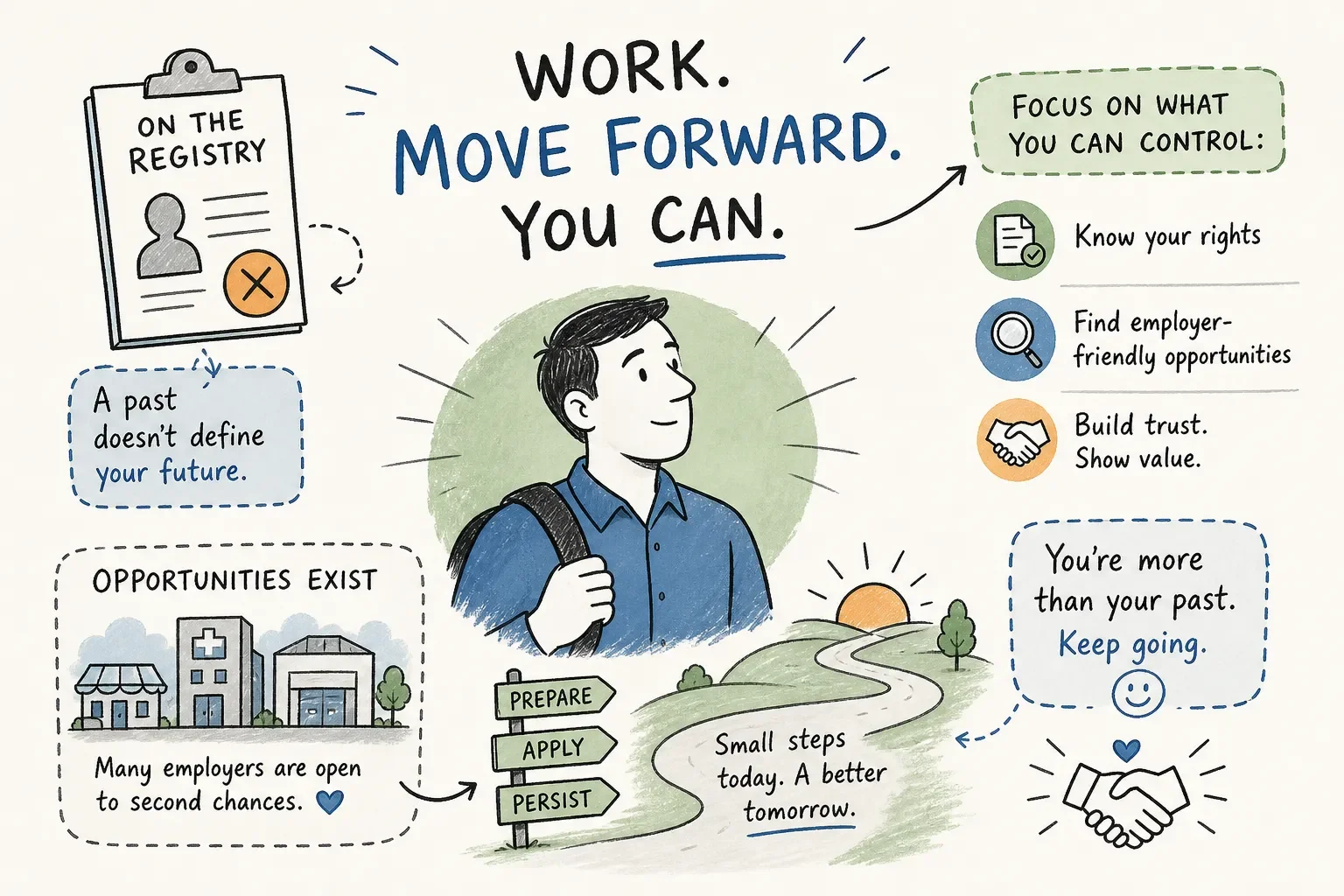
Employment and the Sex Offender Registry: What’s Allowed, What’s Restricted, and What’s Possible
Learn more about which industries have clear legal barriers, how background check vendors work, which roles have a realistic track record of hiring registrants, and how to handle the disclosure conversation without derailing an otherwise strong candidacy.
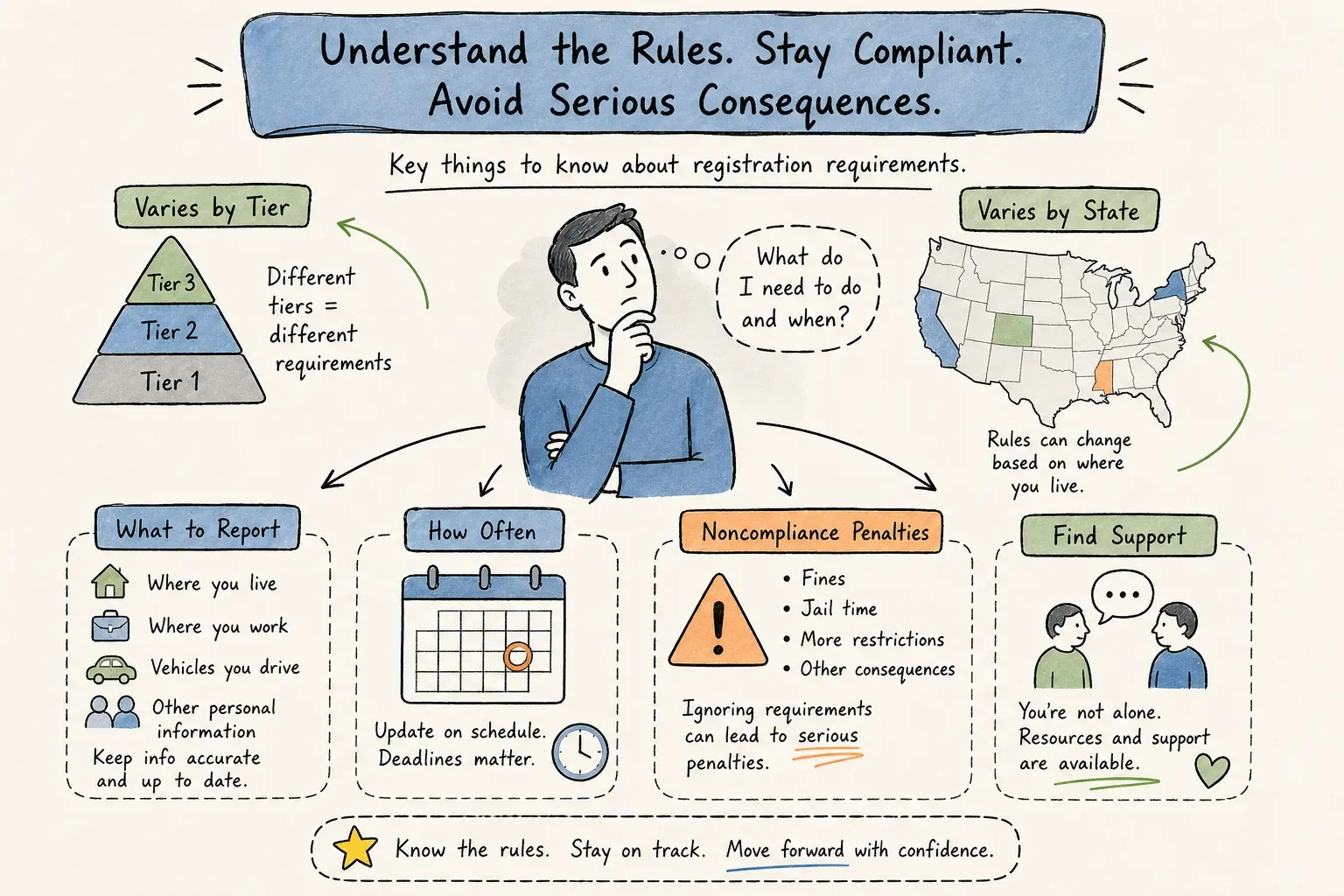
SORNA Isn’t the Whole Story: Why Federal vs. State Rules Leave Families Confused
Families face a maze of conflicting federal and state sex‑offender registration rules, and this article breaks down the core differences in clear, accessible language. It explains how SORNA’s federal tiers often fail to match state‑level requirements, why this mismatch creates confusion for loved ones, and what families must understand to navigate registration safely and confidently.

Coming Home After a CSAM Conviction: An Overview of Supervised Release
Supervised release in the federal system is similar in structure to probation, parole or extended supervision in state systems. Regardless of the label, all forms of supervision require individuals to follow specific conditions, meet regularly with a supervising officer, participate in treatment when ordered, and demonstrate stability as they rebuild their lives.